Additional Work
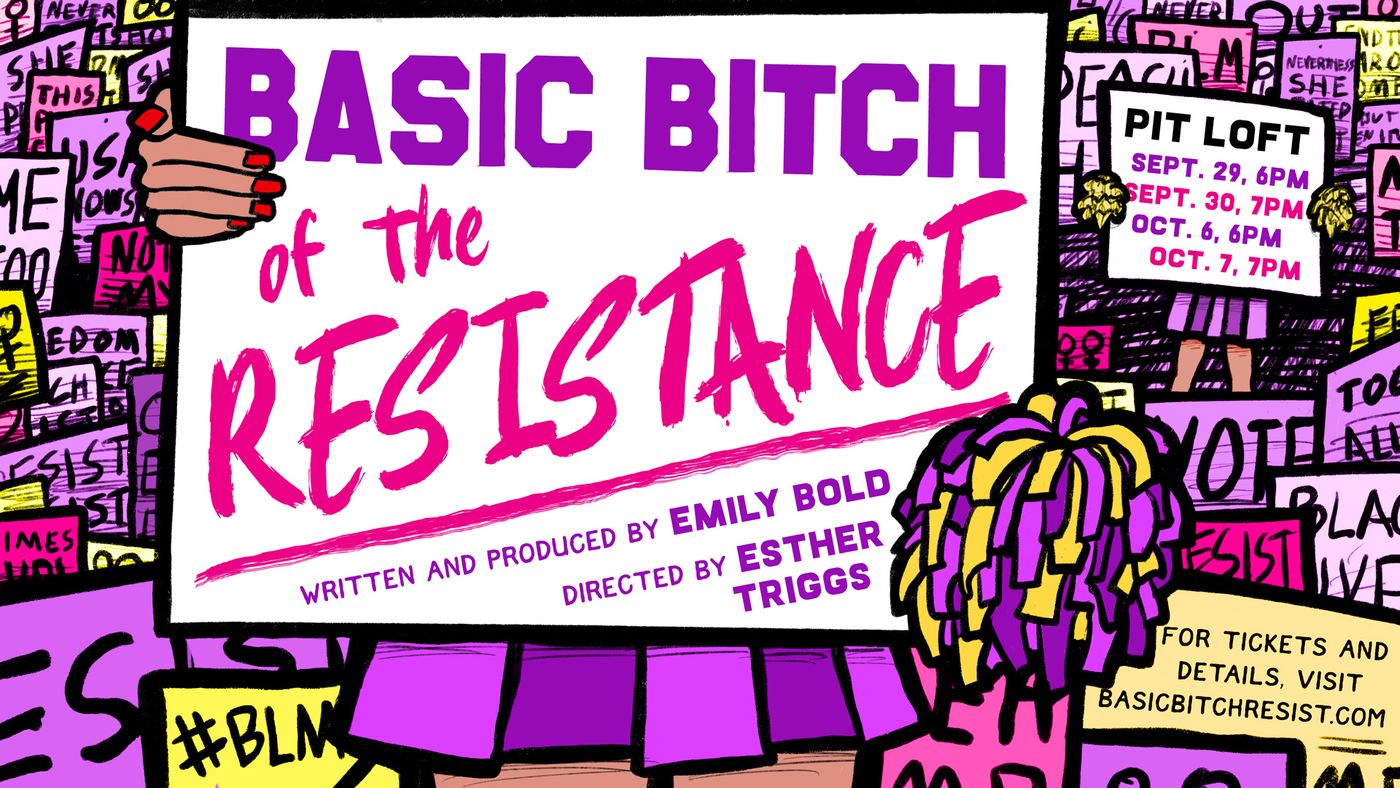
Writing is another way I make art. Below are details from a play I wrote and produced.
Art + Activism
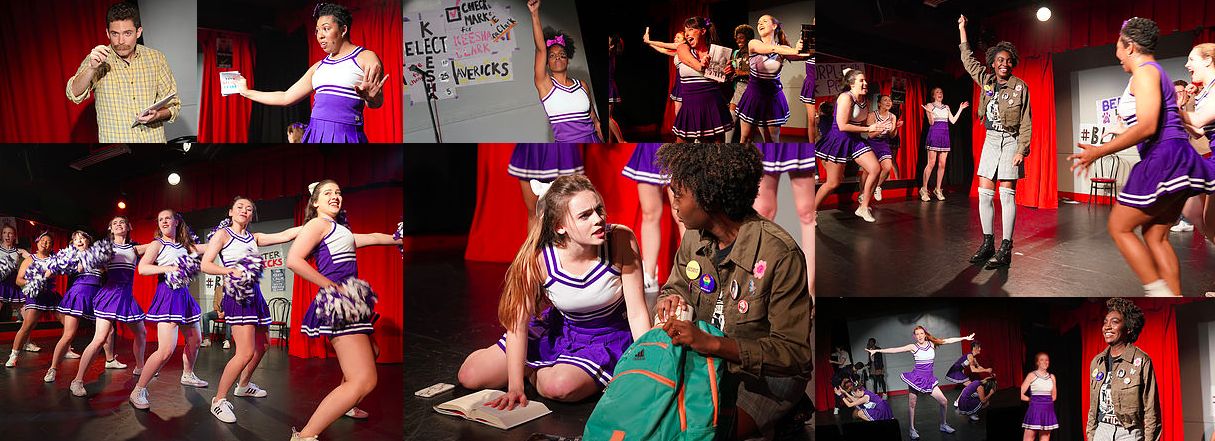
Basic Bitch of the Resistance is a comedic play that originally premiered in New York City in November 2017. After a successful sold out opening night, the show continued to grow. In 2018, Esther Triggs joined the BBR family as the director. The show was developed co-intentionally with the cast, as the philosophy of the show is to build community while exploring social issues and racial healing throughout the process. The fall 2018 show included a social justice workshop and talkback with the audience.
Sh!t we need to address:
white savior complex
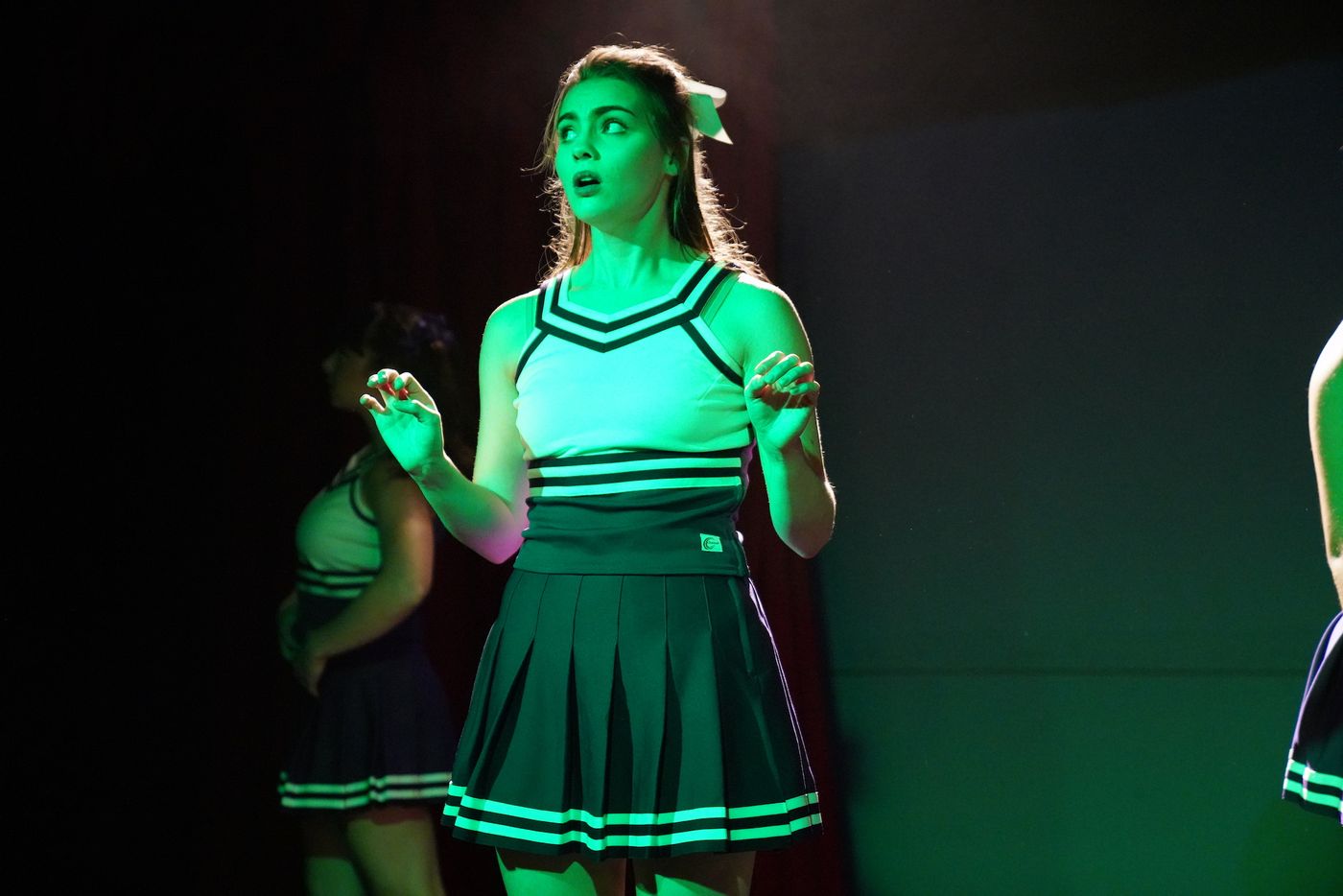
Basic Bitch of the Resistance is a coming-of-age story, or as I like to say, coming-of-privilege story. We follow the protagonist, Ella, who is a sophomore in high school as she learns to navigate the world while becoming aware of both the race and class privilege she holds. Using the tropes of high school as a mirror of the United States at large, we explore injustice that unfolds at Forrest High.
So UH OH, does she fall into the white savior complex? Don’t worry, she totally does! And then we tackle that head on and unpack it. Ella f*cks up several times and when she falls into problematic situations, we witness what those conversations can look like and how white people can apologize and step back while still staying on a path of learning. Keesha, Ella’s best friend, often calls her out, which leads us to the next topic we must unpack: the black best friend.
black best friend
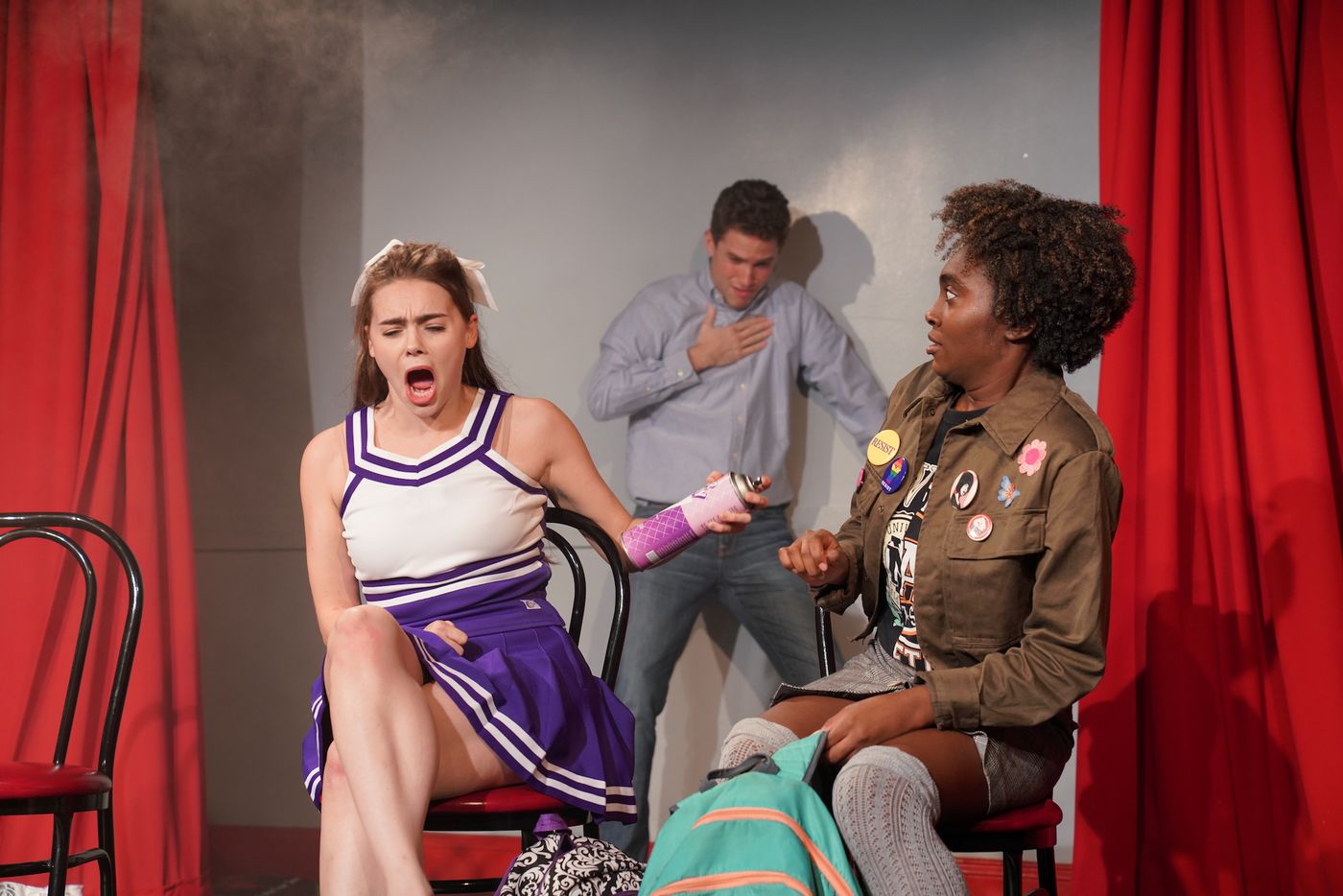
Keesha plays Ella’s best friend. This inevitably bumps up against another trope, which is that Keesha functions as the ‘black best friend’ helping Ella through her difficult journey. When Ella realizes she’s been perpetuating this stereotype, she apologizes to Keesha and the script is flipped. The audience learns that Keesha is not an underdeveloped character who only helps Ella. Keesha has a rich narrative arc that we follow the rest of the show. Keesha becomes the protagonist with Ella and the cheerleaders learning how to support her.
Keesha plays Ella’s best friend. Keesha plays Keesha.
unequal division of labor
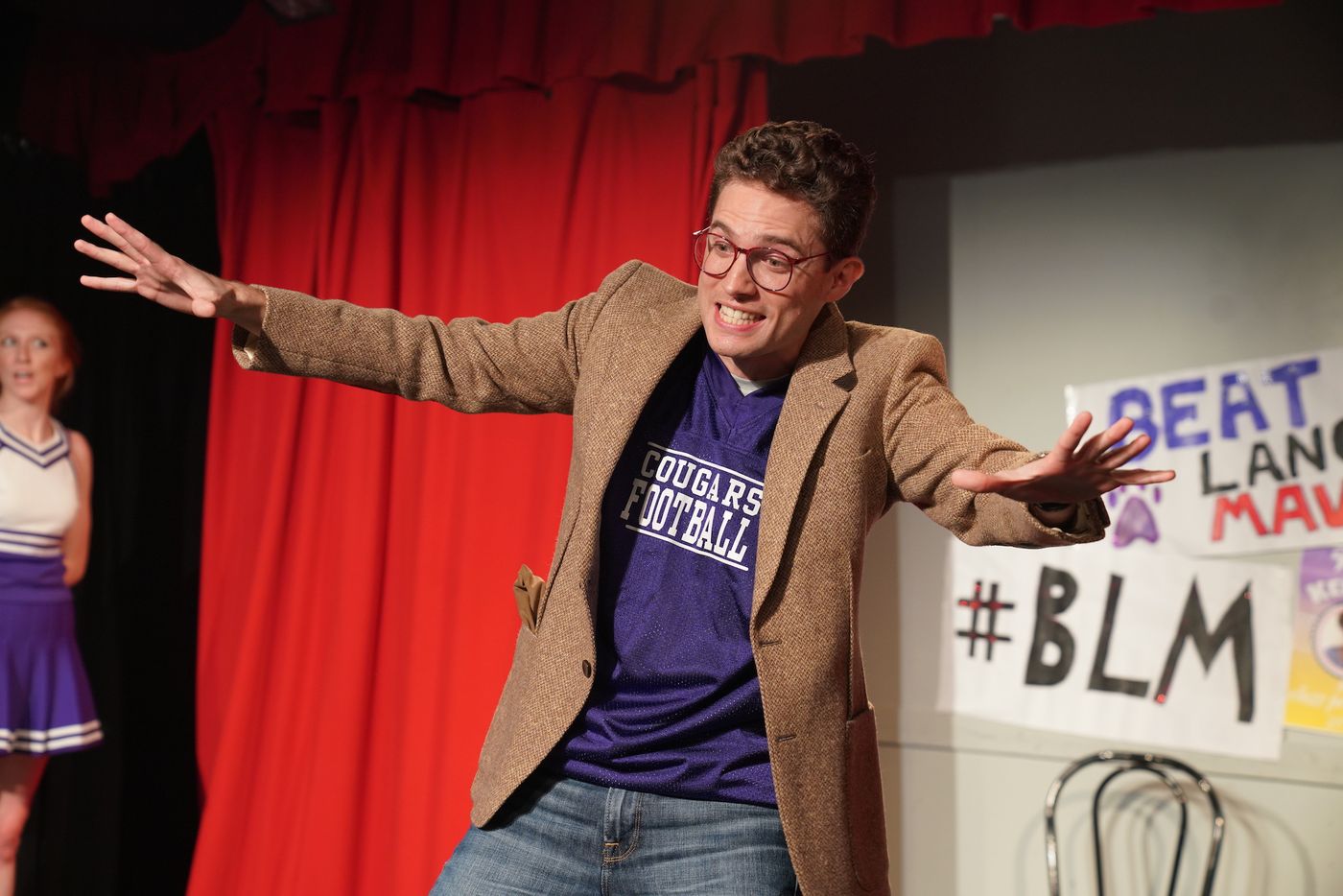
Basic Bitch of the Resistance is an entirely female driven team. The production team (writer, director, choreographer) and entire cast are womxn identifying except for one white male actor. This character plays all of the male roles in the show: Principal Wheeler, Jerry, all the teachers, and the janitor. Not only is this fun and ridiculous within the show, but it also serves as a metaphor for labor distribution. Women, particularly women of color, do a disproportionate amount of labor - everything from working twice as hard to achieve the same results as white folks to the gender pay gap to emotional labor to unpaid childcare & household labor. Additionally, black men are imprisoned at staggering rates, and the prison labor system is a form of slavery.
voter suppression
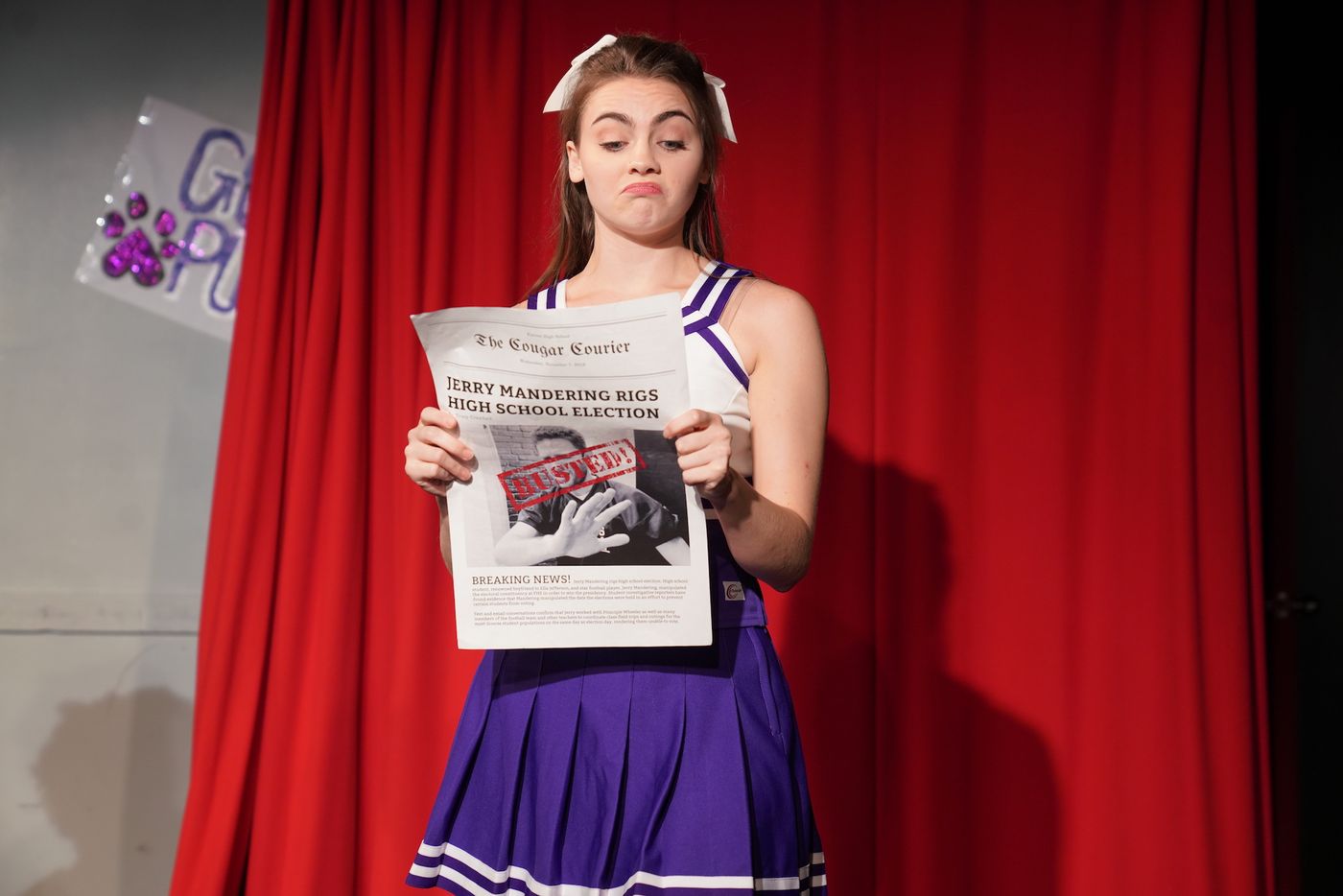
The first major drama of the show reveals that Ella’s boyfriend and star football player, Jerry Mandering, has rigged the high school election in order to win class president at Forrest High. We also learn that there has never been a president that wasn’t also a football player, which means there has never been a female president at FHS. Jerry Mandering led a school-wide voter suppression operation by coordinating with the teachers and staff (also played by Jerry - a real boys club) to make sure all students who were not athletes would be forced to go on field trips the same day as election day, rendering them unable to vote.
power dynamics
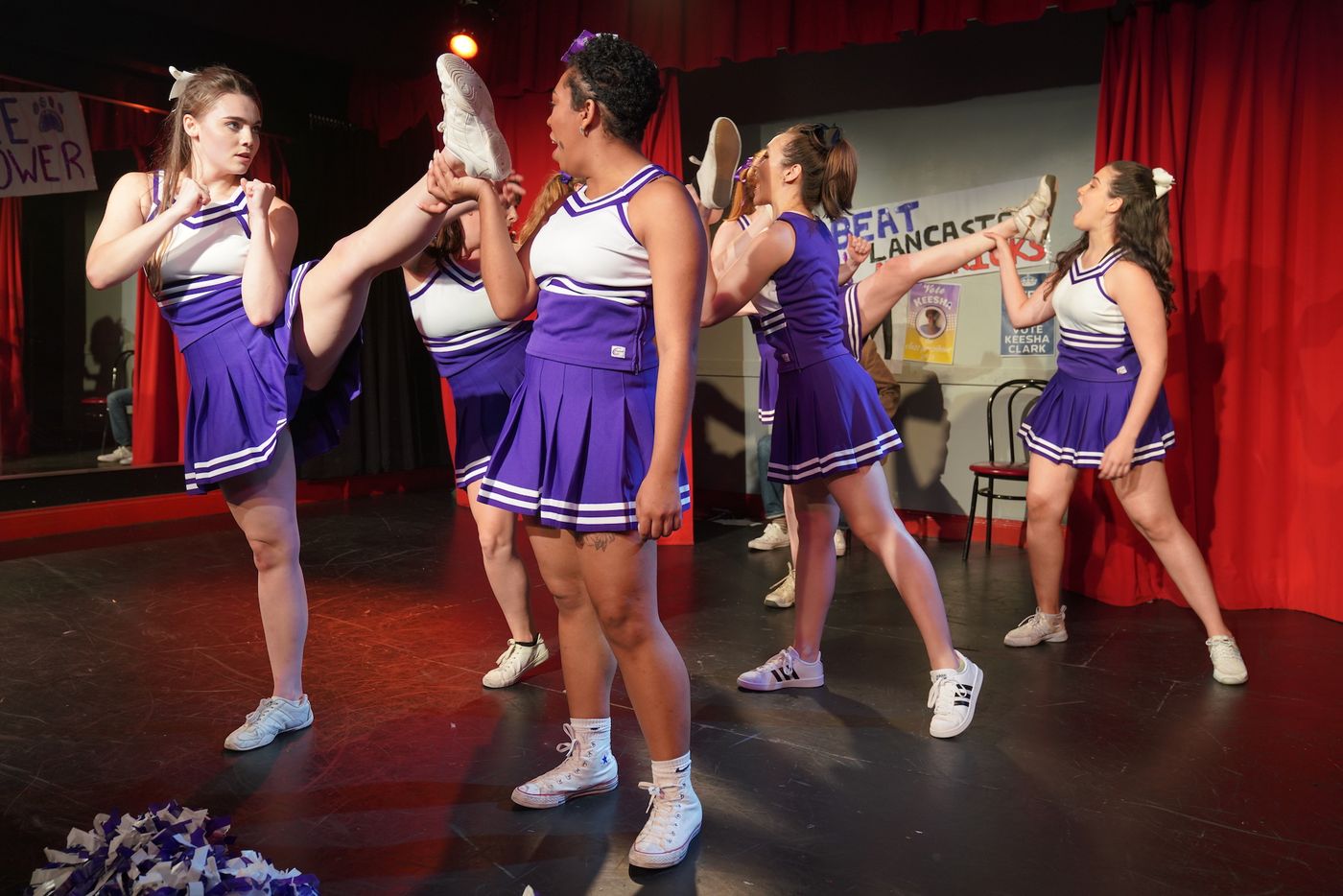
The Cougar cheerleaders, like any good cheer squad, are rife with drama and complicated power dynamics. As cheer captain, Ella must confront the squad about their unfair hoarding of school resources and budget, which is oppressing the marginalized students and their clubs.
Because the cheerleaders have aligned themselves with the powerful football team which has endless school funding, the cheerleaders receive special privileges which no doubt have helped them place first at Nationals every year. They hired a world-class Russian tumbling coach, bought new uniforms, a special gym, and the Springfoam 4X Double Endurance tumbling mat. But with all of these resources allocated to the cheerleaders, other organizations (the Black Student Union, the musical theatre department, and the robotics club, just to name a few) have never gotten funding.
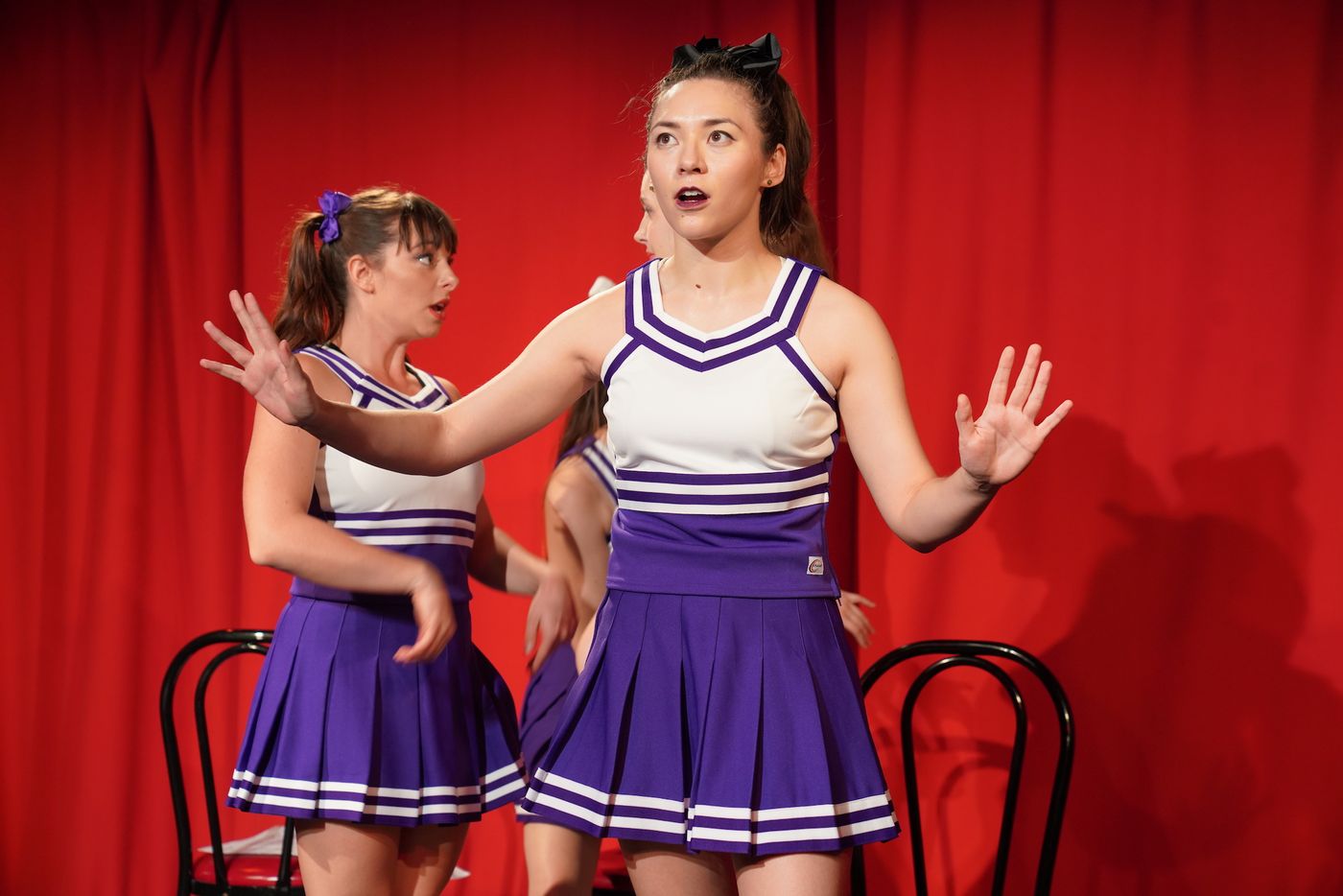
In addition to resource allocation, Ella must also confront the cheer squad because 52% of white female cheerleaders voted for Jerry. For the sake of the show, 4 cheerleaders are white and 3 are women of color. Tension grows as the POC cheerleaders start to miss practice because they are lending a hand to Keesha, who has decided to run against Jerry in the re-election campaign for class president. Amorphia, a bi-racial character who often passes as white, feels torn and isolated as she tries to navigate different spaces.
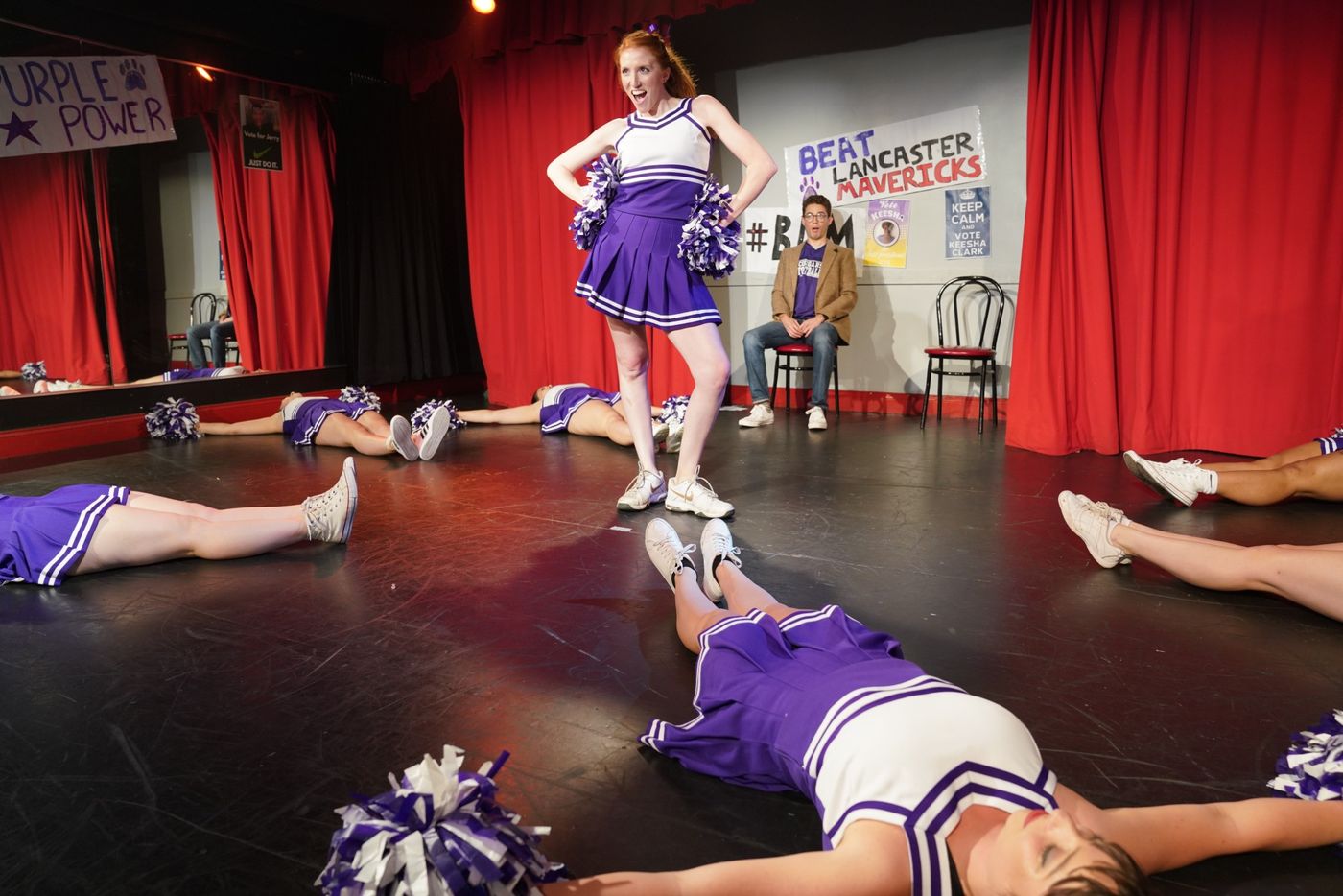
the white crisis
With re-election day nearing, Ella grows desperate as she tries to relay her newly discovered knowledge of privilege to the other white cheerleaders, fearing they will again vote for Jerry. Ella’s journey in the show is portrayed through the ‘White Crisis’ which is a five stage process that every white person goes through when they realize they have white privilege and implicit bias and therefore have been unconsciously perpetuating racism. The cheerleaders explain this weighty topic through a darkly entertaining, EPIC cheer and dance routine.
The five stages are: anger, denial, white guilt, grief, and allyship. Inspired by Elisabeth Kübler-Ross's Five Stages of Grief. Each cheerleader “becomes” a stage of the White Crisis. White cheerleaders embody their stage while the POC characters explain the stages they represent. For example, Angry Amber is stubborn as can be, thinks everything is fake news, and is frustrated the other clubs can’t just pull themselves up by the bootstraps like she did. Her anger is compounded by the fact that she is constantly hungry because of an eating disorder, which is important because each character in the show is dealing with complex intersections of holding both privilege and facing oppression.
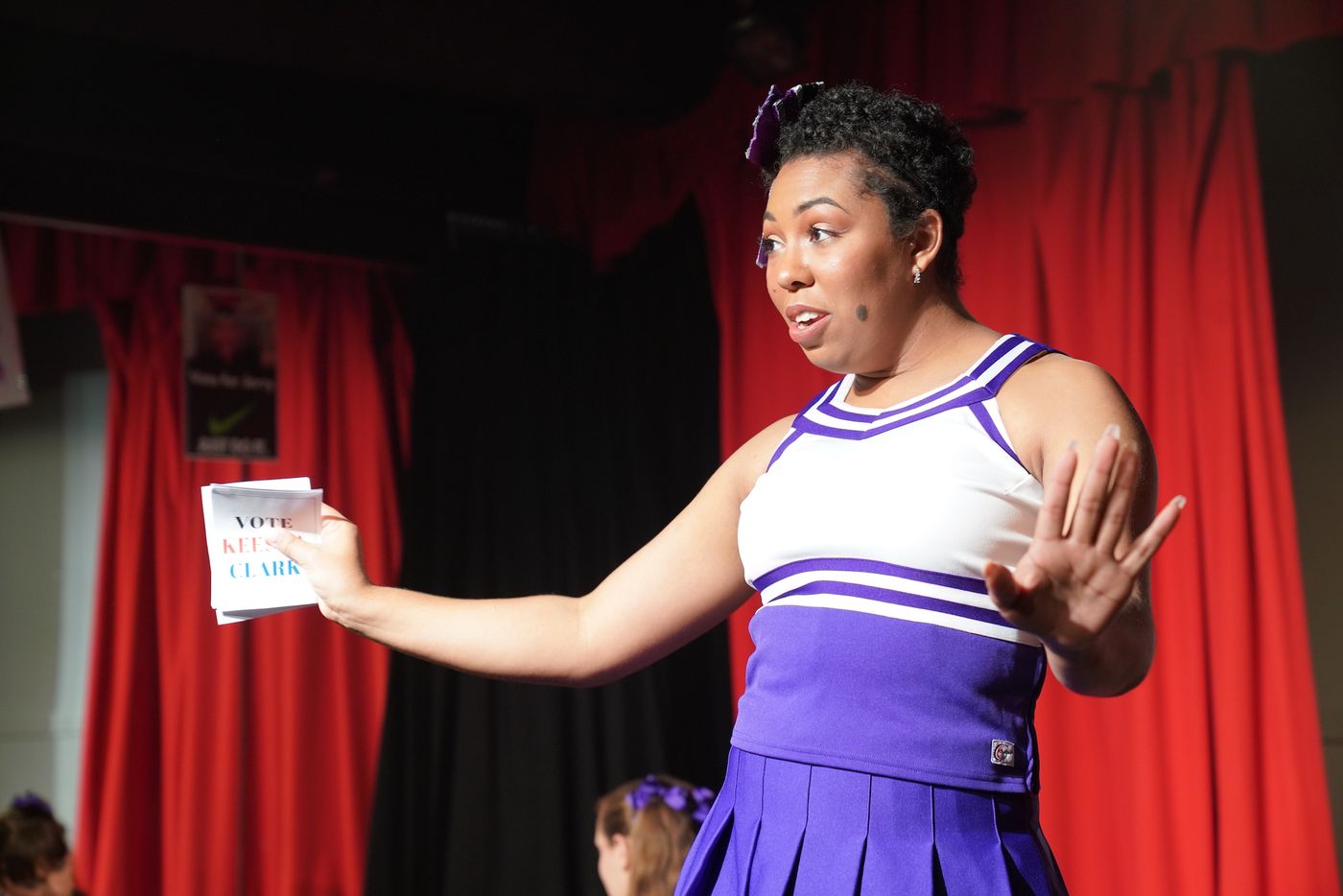
uncelebrating the confederacy
In the show, Forrest High School is named after two real schools, one in Tennessee as well as another high school in Florida, which has since been renamed. Forrest High is named after Nathan Bedford Forrest, the first Grand Wizard of the KKK. Keesha’s campaign platform centers around renaming the school so that it can be a more inclusive place for all students. For several years, I lived across from Lee Park in Charlottesville, VA which spurred the statue debate that inspired the alt-right rally Charlottesville in 2017. The characters’ discussion of the school’s name highlights the contrast between students who were unaware or unfazed by the name and those who felt the shadow it cast on them every day at school.

audience workshop
We weren’t just going to leave the audience hanging after throwing all that institutional oppression at them! The show unpacks the difference between institutional racism, discrimination, white privilege and implicit bias - distinct, complex issues that require time and effort to understand, especially for someone new to this reality. We reviewed definitions with the audience, talked through different moments that resonated with them, and played an interactive game that was a metaphor for implicit bias.
Basic Bitch of the Resistance and the post-show racial reconciliation workshop allowed people to come into a conversation with their defenses lowered, which is the only authentic way we can explore what’s genuinely going on inside of us - and that’s where change has an opportunity to plant a seed.
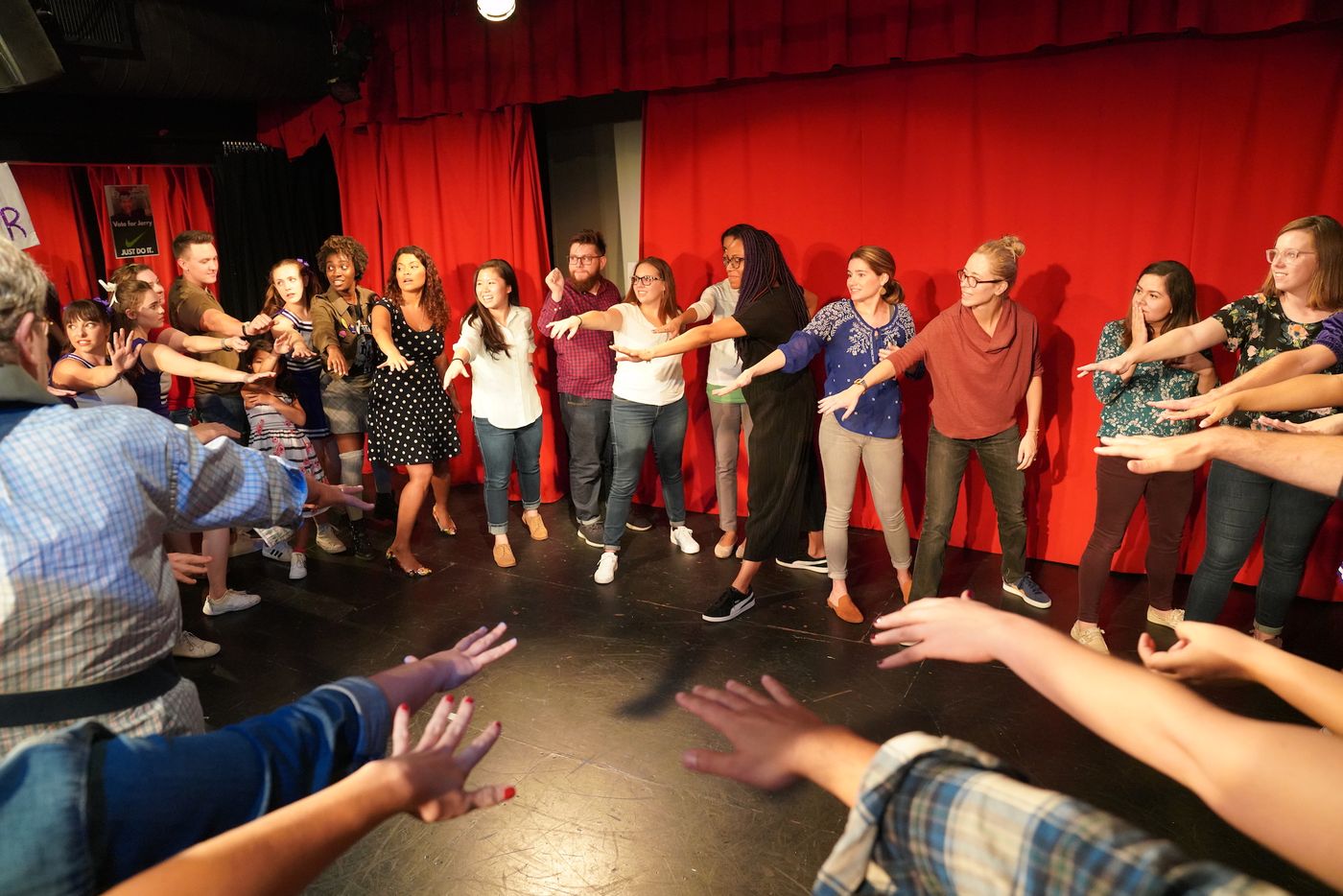
This show was a labor of love, joy, community and connection.
Thank you to those that came before us, helped guide us and taught us along the way.